

NAK80 is widely used for plastic injection molds that require a high-quality surface finish, particularly for electronic housings and other visible plastic components. Supplied in a pre-hardened condition, it can also simplify mold manufacturing by reducing the need for subsequent overall hardening.
For mold makers and purchasing teams, however, material selection is only part of the decision. The cost of preparing the steel, the risk of dimensional changes, and the time required before machining can begin all affect the total project cost.
1. NAK80 Steel: Key Properties and Applications
NAK80 is a precipitation-hardened plastic mold steel designed for applications requiring good polishability, dimensional stability, and a relatively high hardness in the supplied condition.
| Property | Typical Characteristics |
|---|---|
| Supplied hardness | Approximately 38–42 HRC; confirm the actual specification |
| Hardening condition | Pre-hardened and precipitation-hardened |
| Main advantages | Good polishability, dimensional stability, and machinability in the supplied condition |
| Typical applications | Electronic product housings, high-gloss plastic parts, and precision injection molds |
| Surface finish | Suitable for mirror-finish applications when machining and polishing are properly controlled |
NAK80 is particularly useful when a mold requires a high-gloss surface and the manufacturer wants to avoid the dimensional changes that may accompany conventional hardening after machining.
The steel itself does not guarantee a perfect mirror finish. Material quality, EDM conditions, machining marks, and polishing technique all influence the final result.
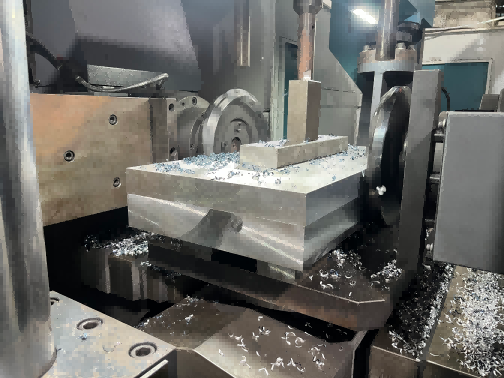
NAK80 Pre-Hardened Mirror Polishing Mold Steel Plate | 6-Face Milled 40 HRC Precision Stock – KUTU
2. Why Pre-Hardened NAK80 Matters to Mold Production
Consider a mold shop preparing a mold for a high-gloss electronic housing.
With steel that requires hardening after machining, the production plan must account for heat treatment, potential distortion, dimensional inspection, and possible corrective machining. If the mold moves out of tolerance, the additional work can affect both cost and delivery.
NAK80 is supplied pre-hardened for many common plastic mold applications. This allows the mold maker to machine the steel in its supplied condition without requiring subsequent overall hardening in typical applications.
The practical benefits are straightforward:
- Fewer process steps associated with post-machining hardening.
- Lower exposure to distortion-related rework from that hardening step.
- Less coordination with external heat-treatment suppliers.
- A simpler production schedule for molds that can be completed in the supplied condition.
This does not eliminate every source of dimensional movement. Machining stress, material removal, mold design, and special repair or welding procedures can still affect the result. The actual processing route should be confirmed for the application.
For purchasing managers, the important point is that the value of pre-hardened NAK80 is not just its hardness. It is the opportunity to reduce process steps and the costs associated with them.
3. The Cost After the Steel Arrives
Even when the steel is supplied in the correct grade and hardness, it may still require substantial preparation before the main mold machining begins.
If the steel arrives as rough stock, the mold shop may need to allocate machine time and labor to mill the faces, establish reference surfaces, check dimensions, and prepare the block for subsequent operations.
Those activities consume resources that could otherwise be used for core mold machining or other scheduled jobs.
KUTU supplies six-side precision-milled NAK80 stock, prepared to the agreed dimensions and tolerances. Instead of treating stock preparation as another internal production task, the buyer can receive steel ready for the next planned machining stage.
The purchasing calculation should therefore compare more than the price per kilogram.
Consider the combined cost of:
- The delivered steel price.
- Local milling and preparation labor.
- Machine-hour costs and equipment availability.
- Inspection, handling, and internal production coordination.
- Potential rework caused by dimensional issues during later processing.
Precision-milled stock may have a higher purchase price than rough stock, but that difference needs to be weighed against the preparation costs it removes. The actual saving depends on the block size, tolerance requirements, local machining rates, and the amount of preparation otherwise required.
For mold shops with busy machine schedules, freeing up preparation time can be just as important as reducing direct labor costs.
4. When Should You Order NAK80 Precision Stock?
Precision-milled stock reduces the preparation required after arrival. It does not eliminate international shipping, customs clearance, or local delivery time.
Waiting until a mold project is already under pressure can undermine the scheduling advantage.
A more practical approach is to start material purchasing when the next project has been confirmed and entered the preparation stage, while the current project is still progressing. This gives the purchasing team time to confirm the steel grade, dimensions, tolerances, and delivery schedule before the material is urgently needed.
If a project is already urgent, availability and machining requirements must be checked before any delivery commitment is made.
5. Why Source NAK80 Precision Stock from KUTU?
KUTU has specialized in six-side precision-milled mold steel stock for 17 years. Our focus is on supplying material prepared to the customer’s agreed dimensions and tolerances, helping mold shops reduce the preparation work required after delivery.
For overseas buyers, this creates an opportunity to use competitive Chinese machining costs while reducing local milling labor and machine occupancy. The real benefit depends on the project requirements and the difference between the quoted stock price and the customer’s own preparation costs.
You do not need to replace your existing steel supplier to evaluate this approach. A small initial order can help your team assess dimensional accuracy, material documentation, communication, and delivery performance before considering repeat orders.
If you are sourcing NAK80 for an upcoming mold project, send us the required dimensions, tolerances, quantity, and delivery destination. We can review the stock preparation requirements and provide a quotation based on your specifications.
Frequently Asked Questions
Does NAK80 require heat treatment after machining?
For many common plastic injection mold applications, NAK80 can be machined in its supplied pre-hardened condition without subsequent overall hardening. Special applications or repair procedures may require additional treatment.
Does NAK80 eliminate mold distortion?
No. Its pre-hardened condition reduces exposure to distortion associated with subsequent overall hardening, but machining stress, material removal, and other manufacturing factors can still affect dimensions.
Does six-side precision milling improve NAK80’s hardness or polishing performance?
No. Precision milling prepares the dimensions and faces of the stock. It does not change the steel’s chemical composition, inherent hardness, or polishing capability.
Is precision-milled NAK80 always cheaper than rough stock?
Not necessarily on purchase price alone. The relevant comparison is the delivered material cost plus any local preparation work required for rough stock.
When should I place an order?
Ideally, once the next mold project is confirmed and material preparation is being planned. Allow sufficient time for production, international shipping, customs clearance, and local delivery.
Need NAK80 prepared for your next mold project? Contact KUTU with your dimensions and requirements to discuss six-side precision-milled stock and a quotation.