
Q1: P20 vs. P40: How do they compare, and when should you choose each?
Both are pre-hardened mold steel plates designed to eliminate post-machining heat treatment risks, but they serve different resin and operating environments:
P20 (Standard Pre-Hardened Mold Steel):
Advantages: Highly economical material cost, versatile, and offers excellent machinability. Pre-hardened to 28–32 HRC, making it the industry standard for general-purpose plastic mold bases and structural core/cavity plates.
Limitations: Contains low chromium, providing zero corrosion resistance; susceptible to rust in humid operating conditions or when molding corrosive resins.
P40 (Pre-Hardened Stainless Mold Steel / 1.2316):
Advantages: Pre-hardened to 28–34 HRC with high chromium content (~16%), delivering excellent resistance to rust and chemical corrosion from resins like PVC or flame-retardant polymers.
Best Choice: Choose P20 for standard commodity plastic molds, large mold bases, or non-corrosive resins on a strict budget. Choose P40 for molds handling corrosive plastics, humid cooling environments, or medical/packaging parts where rust inside cooling channels or on cavity faces must be avoided.
Q2: P20 vs. FT64: How do they compare, and when should you choose each?
This comparison highlights the contrast between a basic economic mold steel plate and an upgraded, high-hardness stainless mold steel plate:
P20 (Standard Pre-Hardened Steel):
Advantages: Economical, easy to machine, and ideal for medium-run molds or standard structural plates operating under moderate stress (28–32 HRC).
Limitations: Lower working hardness and wear resistance; moderate polishability compared to ESR or high-purity grades.
FT64 (Pre-Hardened High-Hardness Stainless Steel):
Advantages: Supplied pre-hardened at a higher working hardness (38–42 HRC) with high chromium content, combining strong corrosion resistance, higher wear resistance, and superior mirror polishability.
Best Choice: Choose P20 for large, budget-conscious plastic components, non-corrosive automotive structural panels, or household goods with standard finish requirements. Choose FT64 for precision electronics, high-aesthetic cosmetic containers, or molds requiring high surface durability and corrosion protection without heat-treatment risk.
Q3: Why choose 6-side precision pre-milled P20 plates over raw mill plates?
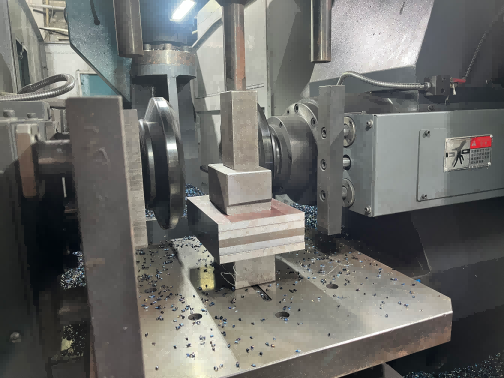
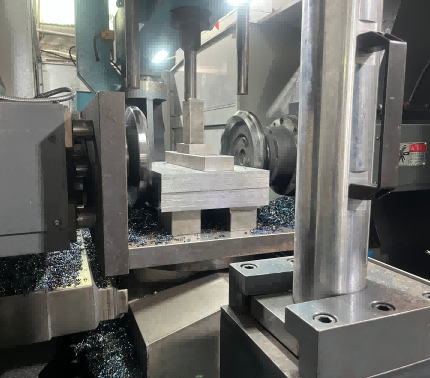
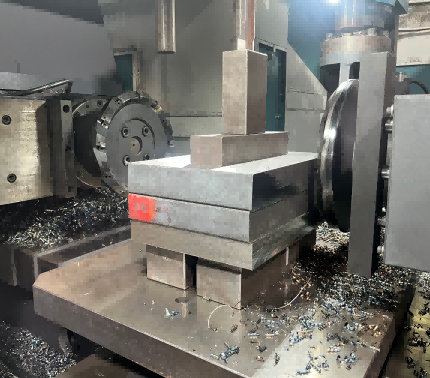
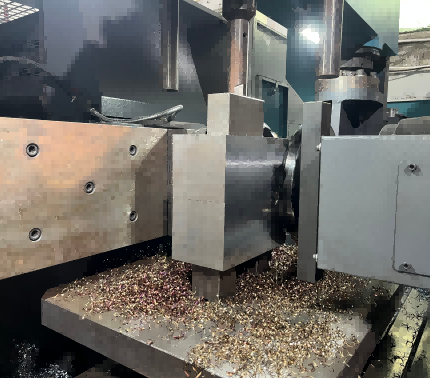
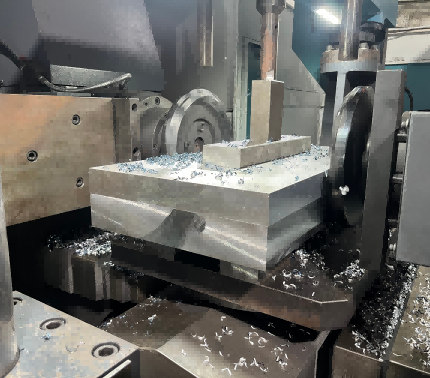
Even for versatile, economical steels like P20, selecting 6-side precision pre-milled plates offers significant operational efficiency and cost reductions for mold makers:
Complete Removal of Mill Scale & Decarburized Layer: Raw hot-rolled or forged mill plates carry surface oxidation, micro-flaws, and soft outer layers. Pre-milled plates remove these defects completely, ensuring you machine directly into sound, uniform core steel.
Bypass Rough Machining & Shorten Lead Time: Plates arrive squared and pre-milled to exact target dimensions. Your shop can skip heavy face-milling and proceed directly to precision CNC finishing, cavity milling, or drilling.
Strict Tolerances for Instant Clamping: Delivered with tight thickness, width, and squareness tolerances, allowing immediate, secure setup in precision vices or fixtures without manual alignment.
Lower Total Production Cost: Pre-milling relieves surface stresses prior to fine machining, preventing plate movement and warping while cutting machine spindle hours, tool wear, and skilled labor costs.
Standard AISI P20 (1.2311) Pre-Hardened Precision Machined Steel Plate Industry-standard pre-hardened plastic mold steel (28–32 HRC) offering excellent machinability. Pre-machined on all sides to serve as high-precision mold bases and cores. Key Advantages & Capabilities
Cost-Effective Precision: Pre-milled plates save machining time on shop floors.
No Distortion Risk: Delivered pre-hardened, eliminating heat treat risk.
Good Polishability: Suitable for general plastic part finishes. 💡 Optional On-Demand Machining & Wire-EDM Services
6-Side Milling: Pre-machined mold plate blanks ready for cavity milling.
Gun Drilling: Coolant line drilling for mold temperature control.
Saw Cutting: Custom dimension cutting on short lead time. Technical Specifications
Grades: AISI P20 | DIN 1.2311 | JIS P20
Condition: Pre-Hardened (28–32 HRC) | Precision Milled Surface
Applications: Injection mold bases, plastic structural parts, compression dies.
📩 Upload your CAD drawings or dimensional requirements for a 2-hour quote.


Reviews
There are no reviews yet.