
Q1: 440C vs. S136: How do they compare, and when should you choose each?
Both are high-chromium stainless steels offering excellent corrosion resistance, but they are engineered for different performance priorities:
S136 (ESR Stainless Mold Steel):
Advantages: Produced via Electro-Slag Remelting (ESR), offering ultra-high purity, minimal inclusions, and optical-grade mirror polishability (SPI A1/A0). Hardened to 48–52 HRC with superior toughness and fatigue resistance.
Limitations: Lower maximum hardness and wear resistance compared to 440C when subjected to severe mechanical abrasion.
440C (High-Carbon Martensitic Stainless Steel):
Advantages: Contains higher carbon content (~1.0%), enabling it to reach higher working hardness (58–60 HRC). Delivers outstanding abrasive wear resistance and high compressive strength alongside solid stainless properties.
Best Choice: Choose S136 for optical lenses, transparent light guides, medical housings, or cosmetic molds requiring flawless mirror finishes and structural ductility. Choose 440C for high-wear stainless wear plates, guide rails, positioning blocks, or mold inserts subject to severe abrasion and high mechanical contact loads.
Q2: 440C vs. P40: How do they compare, and when should you choose each?
This comparison contrasts a high-hardness, heat-treatable stainless steel plate with a pre-hardened corrosion-resistant tool steel plate:
P40 (Pre-Hardened Stainless Mold Steel / 1.2316):
Advantages: Delivered pre-hardened at 28–34 HRC with high chromium content, eliminating post-machining heat treatment risks. Offers good corrosion resistance and stable machinability for direct mold core fabrication.
Limitations: Lower maximum working hardness and wear resistance compared to fully hardened 440C plate.
440C (High-Carbon Martensitic Stainless Steel):
Advantages: Vacuum heat-treated to 58–60 HRC, providing significantly higher surface hardness, compressive load resistance, and edge retention under abrasive conditions.
Best Choice: Choose P40 for medium-run plastic molds, corrosion-resistant mold bases, or structural plates where avoiding heat-treatment distortion and achieving fast lead times are paramount. Choose 440C for precision parts, wear inserts, or slide plates requiring maximum surface hardness and resistance to gouging or abrasive resin wear.
Q3: Why choose 6-side precision pre-milled 440C plates over raw mill plates?
High-carbon stainless steel plates like 440C require strict stress management and surface integrity to perform reliably. Selecting 6-side precision pre-milled 440C plates offers direct technical and cost advantages:
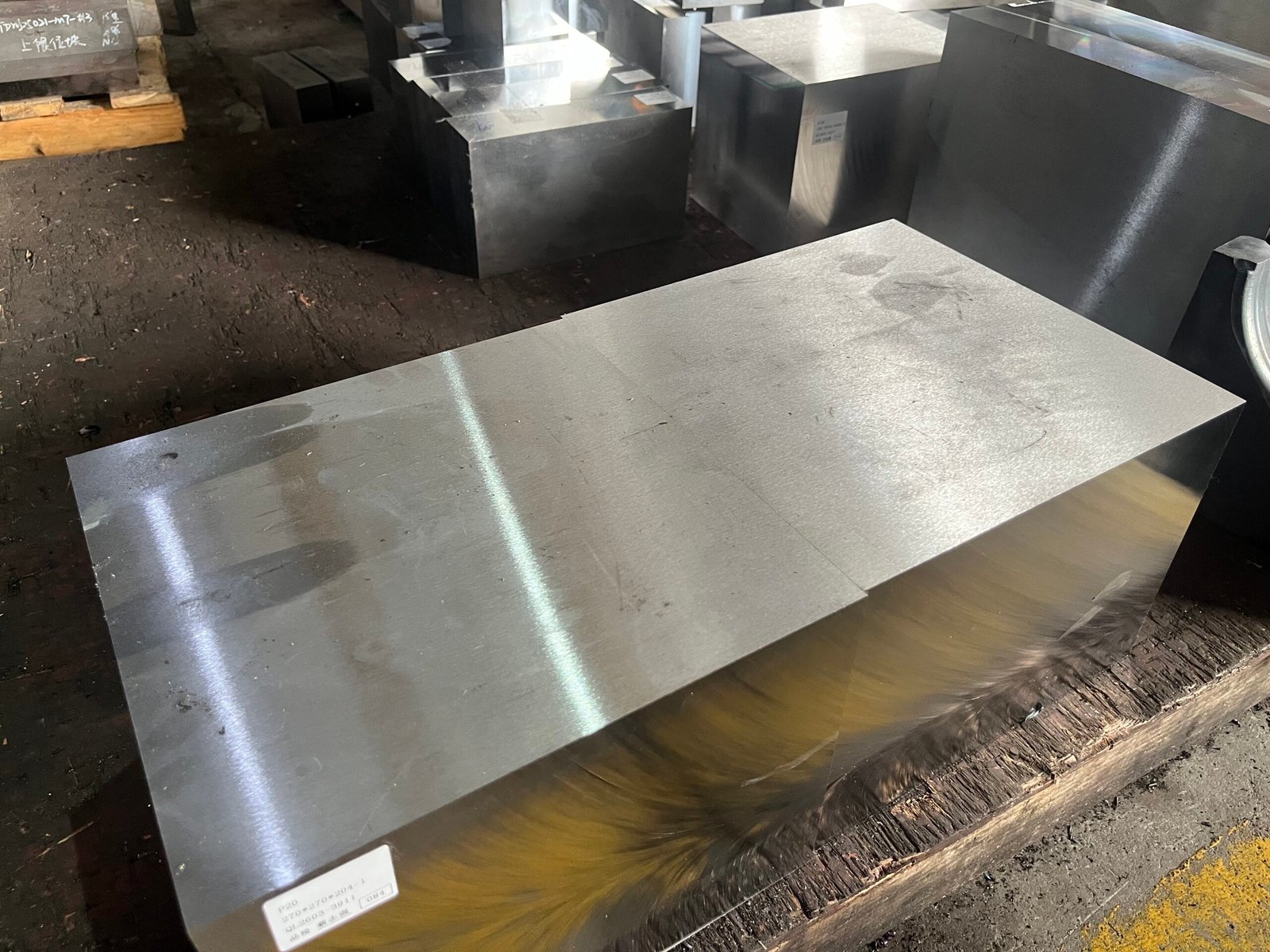
Complete Elimination of Surface Decarburization: Raw hot-rolled or forged 440C mill plates carry surface oxidation and a soft, decarburized outer layer. Pre-milled plates remove these flaws entirely, ensuring your heat-treatment yields maximum, uniform hardness across the entire core.
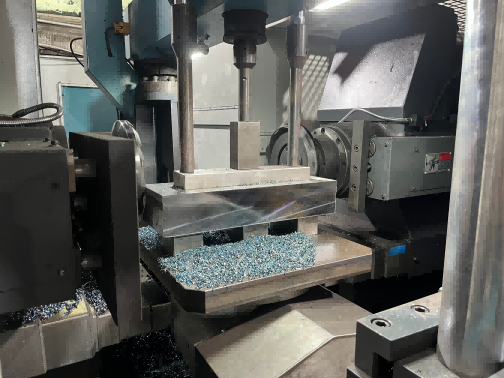
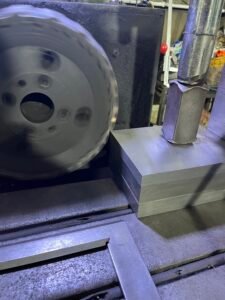
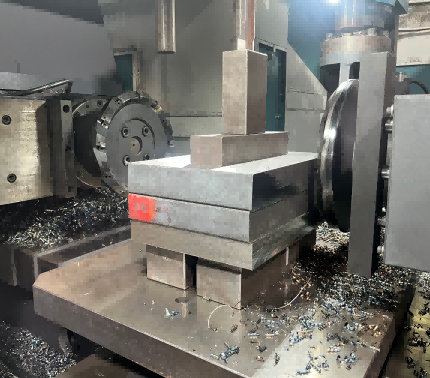
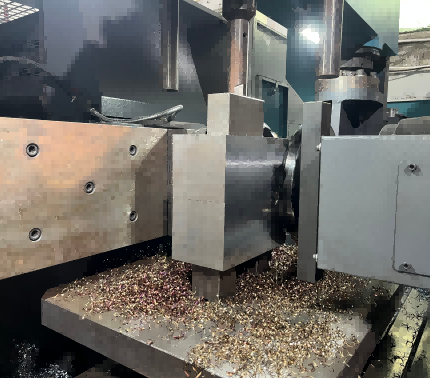
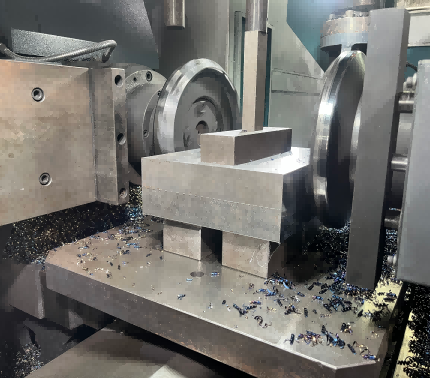
Bypass Heavy Roughing & Save Machine Time: Plates arrive squared and pre-milled to exact target dimensions. Your shop can skip heavy face-milling and proceed directly to precision CNC finishing, wire EDM, or grinding.
Tight Tolerances for Instant Clamping: Delivered with strict thickness, width, and squareness tolerances, enabling direct and secure setup in precision vises or fixtures without manual indicator alignment.
Lower Total Cost & Reduced Heat-Treatment Distortion: Pre-milling relieves surface stresses prior to vacuum heat treatment, reducing warping risks while cutting shop spindle hours, tool wear, and scrap costs.
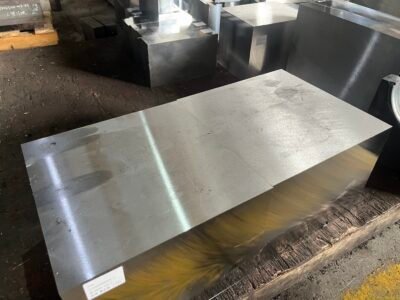
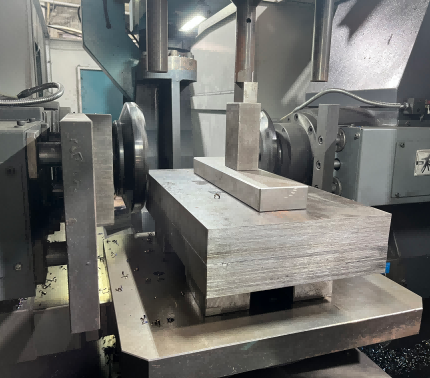
High-Carbon AISI 440C Precision Ground High Hardness Stainless Plate High-carbon stainless steel capable of achieving 58–60 HRC. Supplied precision ground with tight flatness tolerances for medical and food contact molds. Key Advantages & Capabilities
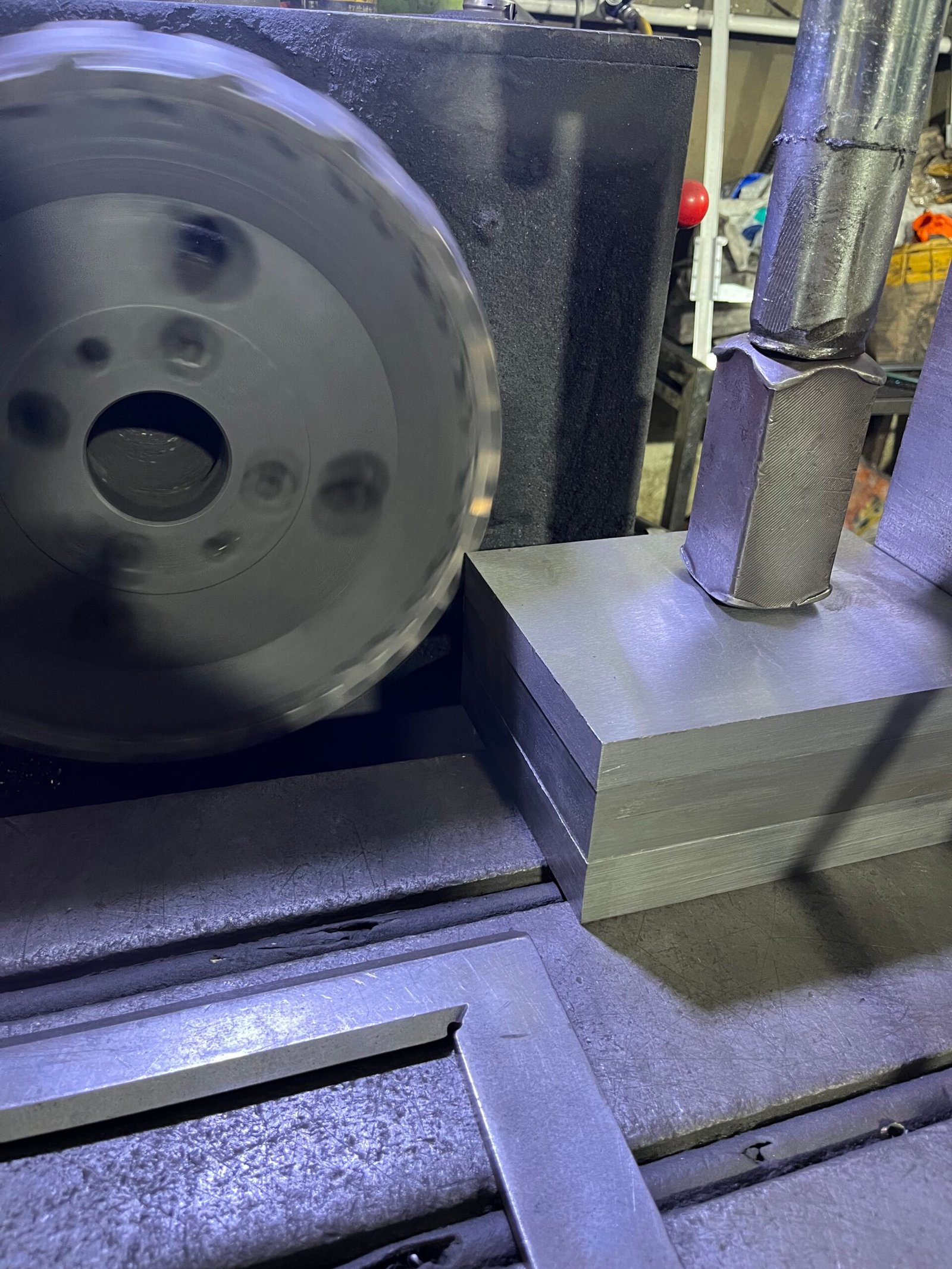
Precision Ground Finish: Parallel surfaces ready for high-accuracy tooling.
Extreme Hardness: Reaches up to 60 HRC for superior wear resistance.
High Corrosion Resistance: Maintains integrity in medical cleanrooms. 💡 Optional On-Demand Machining & Wire-EDM Services
Precision Surface Grinding: Ultra-flat parallel grinding.
Wire EDM: Precision cutting for micro-medical mold cavities.
CNC Pre-Machining: Annealed state roughing before final hardening. Technical Specifications
Grades: AISI 440C | DIN 1.4125 | JIS SUS440C
Condition: Annealed | Precision Ground Plate
Applications: Medical packaging molds, food processing dies, micro-injection inserts.
📩 Upload your CAD drawings or dimensional requirements for a 2-hour quote.
Reviews
There are no reviews yet.