

Quick Answer
SKD61 mold steel is a premium hot work tool steel widely used for high-temperature die casting, hot forging, extrusion and demanding industrial molds. With excellent toughness, thermal fatigue resistance and high-temperature stability, SKD61 provides longer mold life compared with conventional H13 steel. It is especially suitable for copper alloy die casting, heavy-load forging dies and high-cycle production molds requiring superior reliability.
What Is SKD61 Mold Steel?
SKD61 mold steel is a high-performance chromium-molybdenum-vanadium hot work tool steel designed for applications involving repeated heating, cooling and mechanical impact.
As a Japanese equivalent grade similar to H13 and 1.2344 tool steel, SKD61 has become one of the most widely used hot work steels worldwide because of its balanced combination of:
- High-temperature strength
- Excellent toughness
- Thermal fatigue resistance
- Wear resistance
- Dimensional stability
Compared with standard H13 steel, premium SKD61 materials often use advanced refining processes such as ESR (Electro-Slag Remelting) or VAR (Vacuum Arc Remelting) to improve cleanliness, reduce internal defects and achieve more consistent mechanical properties.
For manufacturers producing automotive components, copper alloy parts, aluminum die-casting products and precision hot molds, SKD61 provides a reliable solution where conventional steels may experience premature cracking or deformation.
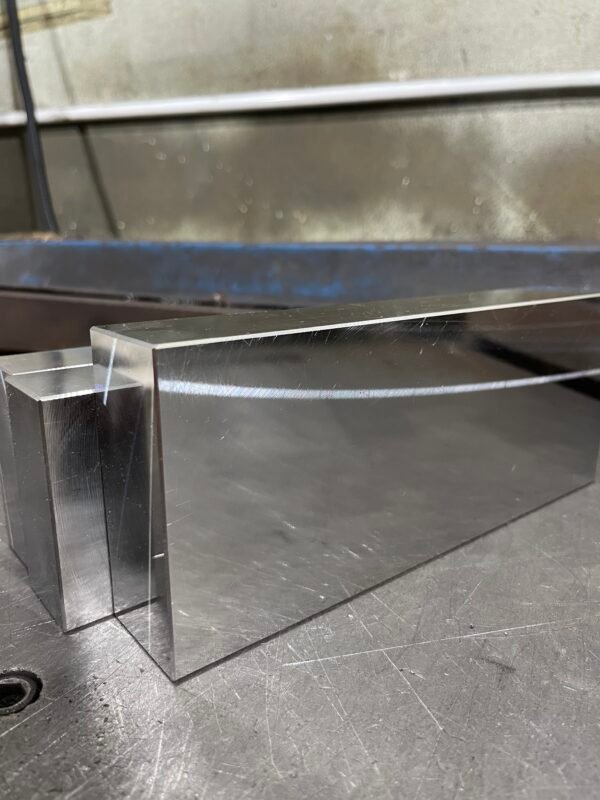
Key Advantages of SKD61 Mold Steel
Excellent Hot Strength and Thermal Stability
SKD61 maintains mechanical strength even under repeated exposure to elevated temperatures.
During die casting and forging operations, molds experience continuous thermal cycling. SKD61’s optimized alloy structure helps reduce:
- Thermal softening
- Surface collapse
- Plastic deformation
- Dimensional changes
This makes it suitable for long-running production environments where mold stability directly affects product quality.
Outstanding Thermal Fatigue Resistance
Heat checking is one of the most common failure modes of hot work molds.
SKD61 contains balanced chromium, molybdenum and vanadium elements that improve resistance against thermal fatigue cracks caused by repeated heating and cooling cycles.
Properly heat-treated SKD61 molds can significantly extend service intervals compared with standard hot work steels.
High Impact Toughness
Hot molds often experience mechanical shock from:
- High-pressure injection
- Forging impact
- Ejection forces
- Thermal stress concentration
SKD61 provides excellent toughness, reducing the risk of:
- Cracking
- Chipping
- Sudden mold failure
This is especially important for complex inserts, cores and slides exposed to concentrated stress.
Good Wear Resistance and Surface Performance
The carbide-forming elements in SKD61 improve wear resistance while maintaining toughness.
After suitable heat treatment and surface processing, SKD61 can achieve excellent performance in:
- Die casting inserts
- Extrusion dies
- Hot stamping tools
- Precision industrial molds
Chemical Composition of SKD61 Mold Steel
Typical chemical composition:
| Element | Content |
|---|---|
| Carbon (C) | 0.35–0.42% |
| Silicon (Si) | 0.80–1.20% |
| Manganese (Mn) | 0.20–0.50% |
| Chromium (Cr) | 4.80–5.50% |
| Molybdenum (Mo) | 1.00–1.50% |
| Vanadium (V) | 0.80–1.20% |
The alloy design provides a balanced structure between hardness, toughness and high-temperature performance.
Main Applications of SKD61 Mold Steel
1. Aluminum Die Casting Molds
SKD61 is widely used for aluminum die-casting components including:
- Automotive engine parts
- Transmission housings
- Battery housing components
- Motor covers
- Structural aluminum parts
Its thermal fatigue resistance helps maintain mold performance during millions of casting cycles.
2. Copper Alloy Die Casting Molds
Copper alloys require extremely high working temperatures, creating more severe conditions than aluminum casting.
SKD61 is suitable for:
- Brass fittings
- Copper connectors
- Electrical components
- High-temperature alloy casting tools
Its high-temperature strength helps reduce cracking and premature failure.
3. Hot Forging Dies
SKD61 is commonly selected for hot forging applications requiring repeated impact resistance:
- Automotive forged parts
- Fasteners
- Aerospace components
- Heavy mechanical parts
4. Hot Stamping and Forming Tools
With excellent toughness and dimensional stability, SKD61 performs well in:
- Automotive high-strength steel forming
- Press hardening tools
- Precision hot forming dies
5. Plastic Injection Mold Components
Although SKD61 is mainly a hot work steel, it can also be used for specialized plastic molds requiring:
- High temperature resistance
- Wear resistance
- High durability
SKD61 vs H13 Mold Steel
| Property | SKD61 | H13 |
|---|---|---|
| Toughness | Excellent | Good |
| Thermal Fatigue Resistance | Excellent | Good |
| High Temperature Strength | Higher | Standard |
| Die Life | Longer | Medium |
| Cost | Higher | Lower |
SKD61 is often selected when production volume is high and mold replacement costs are significant.
SKD61 vs 8407 Mold Steel
| Property | SKD61 | 8407 |
|---|---|---|
| Steel Type | Premium Hot Work Steel | Premium ESR Hot Work Steel |
| Toughness | Excellent | Excellent |
| Thermal Resistance | Excellent | Excellent |
| Cost Efficiency | High | Higher |
| Application Range | Wide Industrial Use | Premium Die Applications |
8407 offers advanced ESR refinement and excellent polishability, while SKD61 remains one of the most widely adopted high-performance hot work steels globally.
Heat Treatment of SKD61 Mold Steel
Correct heat treatment is critical for achieving maximum performance.
Typical process:
Hardening
- Austenitizing temperature: 1020–1050°C
- Vacuum heat treatment recommended
- Gas quenching or oil quenching depending on size
Tempering
Recommended:
- Two or three tempering cycles
- Temperature: approximately 550–650°C
Typical working hardness:
- 44–52 HRC depending on application requirements
Higher hardness improves wear resistance, while lower hardness provides better toughness for heavy impact conditions.
Common Mistakes When Using SKD61
Incorrect Heat Treatment
Improper quenching or insufficient tempering may reduce toughness and increase cracking risk.
Excessive Hardness
Pursuing maximum hardness without considering working conditions can create brittle failure.
Poor Mold Design
Sharp corners and insufficient cooling channels can accelerate thermal fatigue.
Ignoring Surface Treatment
Nitriding or suitable surface treatments may significantly improve wear resistance and mold life.
How to Select SKD61 Mold Steel
Choose SKD61 when your project requires:
- High-temperature operation
- Long production cycles
- Strong impact resistance
- Stable mold dimensions
- Reduced maintenance frequency
For extremely demanding applications, premium refined SKD61 grades can provide additional performance advantages.
For standard applications, H13 may offer a more economical solution.
Frequently Asked Questions
Is SKD61 the same as H13?
SKD61 and H13 have similar alloy compositions and belong to the same hot work tool steel family. However, steel quality, refining process and heat treatment can create performance differences.
What hardness is recommended for SKD61?
Most applications use SKD61 at approximately 44–52 HRC depending on the balance between toughness and wear resistance required.
Is SKD61 suitable for aluminum die casting?
Yes. SKD61 is one of the most commonly used steels for aluminum die-casting molds due to its excellent thermal fatigue resistance.
Can SKD61 be nitrided?
Yes. SKD61 has good nitriding compatibility, which can improve surface hardness and wear resistance.
Is SKD61 better than H13?
For high-cycle and high-temperature applications, SKD61 generally provides improved performance when properly manufactured and heat treated.
Conclusion
SKD61 mold steel remains one of the most trusted hot work tool steels for demanding industrial applications. Its combination of toughness, thermal fatigue resistance, high-temperature strength and dimensional stability makes it suitable for die casting, forging, extrusion and specialized hot molds.
For manufacturers seeking reliable mold performance and longer production life, selecting the correct SKD61 grade, heat treatment process and machining method is essential.
CTA
Looking for premium SKD61 mold steel with reliable material certification and professional processing support?
KUTU MOLD STEEL supplies high-quality hot work tool steels for die casting, forging and precision mold manufacturing. We provide material selection guidance, customized cutting, heat treatment solutions and global industrial supply.
Contact KUTU MOLD STEEL today for technical consultation and a customized quotation for your next mold project.
SKD61 Hot Work Tool Steel | High Toughness Die Casting Mold Steel Blocks – KUTU
H13 (AISI H13 / DIN 1.2344) Hot Work Die Casting Mold Steel Plate High Temperature Resistant – KUTU