

Corrosive plastics such as PVC, PC, and flame-retardant plastics can release corrosive gases or liquids during the injection molding process, which will cause rust, corrosion, and even damage to the mold. This not only shortens the service life of the mold but also affects the surface quality of plastic products. Among all plastic mold steels, S136 is widely recognized as the best choice for corrosive plastic molds. This article will explain in detail why S136 is suitable for corrosive plastic molds, its core advantages, application scenarios, and usage precautions.
The Corrosion Resistance Principle of S136 Mold Steel
The excellent corrosion resistance of S136 is mainly determined by its chemical composition and special heat treatment process:
- Chemical Composition Advantage: S136 contains high content of chromium (Cr: 12.00-14.00%), which can form a dense chromium oxide film on the surface of the steel. This film can effectively isolate corrosive gases and liquids, preventing the steel from being corroded. In addition, S136 has low carbon content (C: 0.38-0.45%) and no harmful impurities, which further enhances its corrosion resistance.
- Heat Treatment Process: S136 undergoes strict solution annealing and quenching-tempering treatment, which makes the structure of the steel uniform and dense. This not only improves its hardness and toughness but also enhances the stability of the surface chromium oxide film, making it difficult to fall off even in high-temperature and corrosive environments.
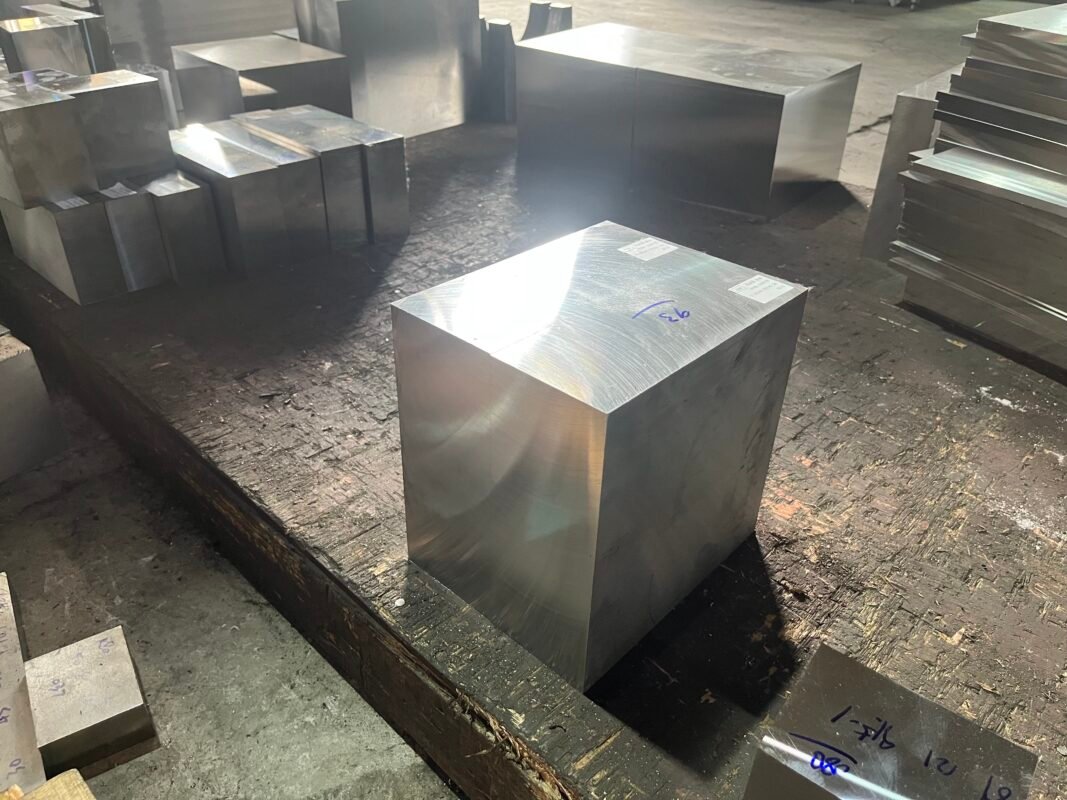
Applications of S136 in Corrosive Plastic Molds
Due to its excellent corrosion resistance and polishability, S136 is widely used in various corrosive plastic mold scenarios, especially in industries with high requirements on product quality:
- Medical Industry: Medical devices such as plastic syringes, infusion sets, and medical packaging are usually made of corrosive plastics (such as PC). S136 mold steel can ensure that the mold is not corroded, and its good polishability can meet the high hygiene requirements of medical products.
- Packaging Industry: Cosmetic packaging (such as lipstick tubes, perfume bottles) and food packaging (such as plastic boxes, beverage bottles) often use corrosive plastics. S136 can maintain the surface gloss of the mold for a long time, ensuring that the packaging products have a high-quality appearance.
- Electronic Industry: Electronic product shells (such as mobile phone cases, tablet cases) made of PC/ABS plastics are corrosive. S136 mold steel can ensure the precision and surface quality of the mold, reducing the scrap rate of products.
- Chemical Industry: Plastic products used in chemical equipment (such as plastic pipelines, chemical containers) are highly corrosive. S136 mold steel can resist the corrosion of chemical media, extending the service life of the mold.
Polishing Performance of S136 (Why It Is Suitable for High-Demand Molds)
In addition to corrosion resistance, S136 also has excellent polishing performance, which is another important reason why it is widely used in corrosive plastic molds. Unlike ordinary mold steel, S136 has a uniform and dense structure, no impurities, and can easily achieve mirror polishing (Ra ≤ 0.02 μm).
For corrosive plastic products, a high-gloss surface not only improves the product grade but also reduces the adhesion of corrosive media to the product surface, which is more conducive to cleaning and maintenance. For example, medical syringes require a smooth inner surface to avoid damaging the human body, and S136 mold steel can perfectly meet this requirement.
Precautions for Using S136 Mold Steel
To maximize the performance of S136 and extend the service life of the mold, pay attention to the following points when using it:
- Heat Treatment: S136 needs to be quenched and tempered before use. The recommended quenching temperature is 1000-1050℃ (oil cooling), and the tempering temperature is 200-250℃, which can make the hardness reach 48-52 HRC, ensuring both corrosion resistance and wear resistance.
- Processing: S136 has good machinability, but due to its high hardness, it is recommended to use high-speed steel or carbide tools for processing, and the cutting speed should be controlled appropriately to avoid tool wear.
- Maintenance: After using the mold, it should be cleaned in time to remove the residual corrosive plastic and cleaning agent, and then apply anti-rust oil to prevent the mold from rusting during storage.
If you need to produce corrosive plastic products and are looking for a high-quality mold steel, S136 is your best choice. Our S136 mold steel is ISO certified, with complete material certificates and free custom cutting and processing services. Contact us now to get a free sample and detailed material data sheet!