

H13 is one of the world’s most widely used hot work tool steels, trusted for applications that involve repeated heating and cooling under heavy mechanical loads. Its excellent combination of toughness, wear resistance, thermal fatigue resistance, and dimensional stability makes it the preferred material for aluminum die casting dies, hot forging tools, extrusion dies, and high-temperature plastic molds.
Unlike plastic mold steels such as P20, NAK80, or S136, H13 is specifically engineered to perform in extreme thermal environments. After proper heat treatment, it maintains high hardness and strength while resisting heat checking, cracking, and deformation during long production runs.
Whether you manufacture automotive components, die-cast parts, or engineering plastic molds, H13 offers dependable performance and a long service life.
Why Choose H13 Mold Steel?
H13 is designed for tooling exposed to continuous thermal cycling. Its balanced alloy composition enables it to withstand both high operating temperatures and repeated mechanical impact.
Key benefits include:
- Excellent resistance to thermal fatigue and heat checking
- High toughness with reduced risk of cracking
- Good wear resistance at elevated temperatures
- Stable hardness after heat treatment
- Low distortion during hardening
- Good machinability in the annealed condition
- Suitable for welding and repair
- Long service life in demanding production environments
These characteristics help reduce maintenance, extend die life, and improve manufacturing efficiency.
Chemical Composition
| Element | Typical Content |
|---|---|
| Carbon (C) | 0.32–0.42% |
| Chromium (Cr) | 4.75–5.50% |
| Molybdenum (Mo) | 1.10–1.75% |
| Vanadium (V) | 0.80–1.20% |
| Silicon (Si) | 0.80–1.20% |
| Manganese (Mn) | 0.20–0.50% |
The combination of chromium, molybdenum, and vanadium provides excellent hot strength, wear resistance, and thermal stability while maintaining good toughness.
Typical Applications
H13 is widely used wherever tooling is exposed to high temperatures and repeated thermal stress.
Aluminum Die Casting
H13 is the industry standard for aluminum die casting because it resists thermal cracking while maintaining strength at elevated temperatures.
Typical products include:
- Automotive structural components
- Transmission housings
- Motor housings
- Heat sinks
- Electronic enclosures
Hot Forging Dies
The steel performs well under repeated impact and high forging temperatures, making it suitable for:
- Automotive forging dies
- Industrial hardware
- Mechanical components
- Fastener production
Plastic Injection Molds
H13 is also used for molding engineering plastics processed at high melt temperatures, including:
- PA
- PEEK
- PPS
- PBT
- High-temperature PC
It is particularly effective for molds exposed to continuous high thermal loads.
Extrusion Tooling
H13 is commonly selected for:
- Aluminum extrusion dies
- Copper extrusion tooling
- Profile extrusion components
- Mandrels and liners
Its thermal stability helps maintain dimensional accuracy throughout long production runs.
Hot Cutting and Forming Tools
Additional applications include:
- Hot shear blades
- Punches
- Pressure dies
- Compression molds
- Heat-resistant inserts
Heat Treatment
Proper heat treatment is essential for achieving the full performance of H13.
A typical process includes:
Hardening
- Austenitizing: 1020–1040°C
- High-pressure gas or oil quenching
Tempering
- Triple tempering
- 540–620°C
- Final hardness: 50–54 HRC
Professional vacuum heat treatment is recommended to minimize distortion and ensure consistent mechanical properties.
Machining Recommendations
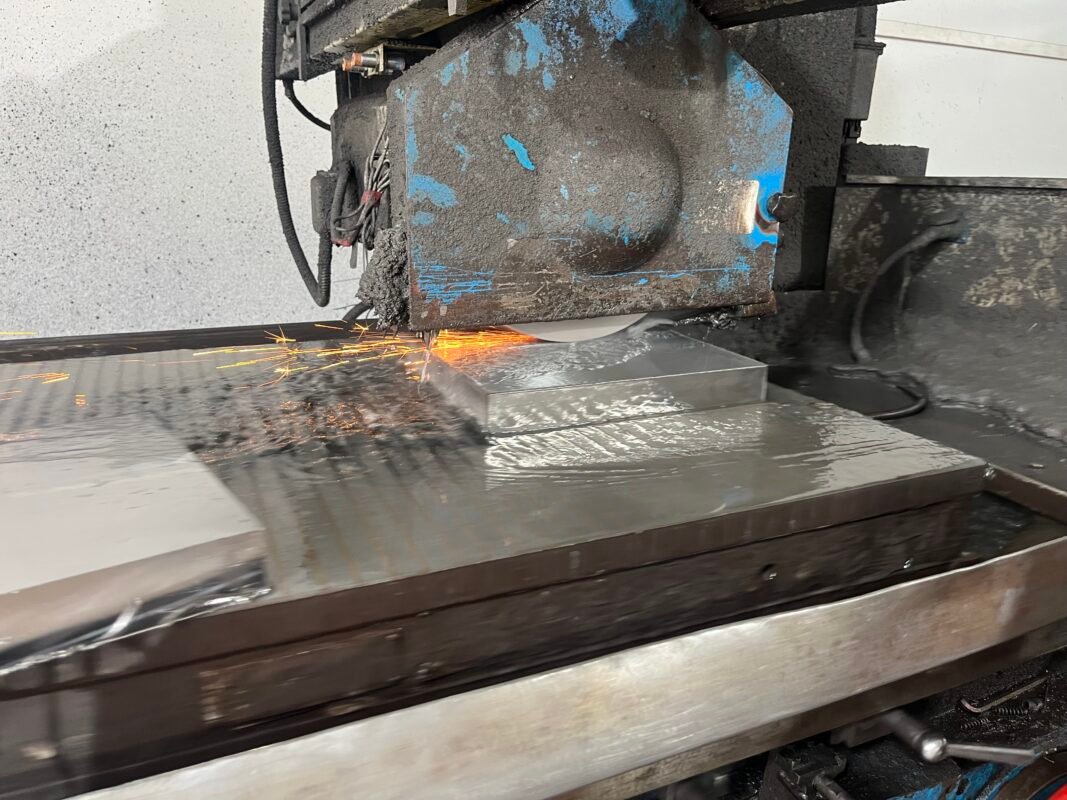
H13 machines well in its annealed condition.
Recommended practices include:
- Use coated carbide cutting tools.
- Apply sufficient coolant during machining.
- Remove the EDM recast layer before final polishing.
- Perform stress relief after heavy machining when necessary.
These practices improve tool life and reduce the risk of premature cracking.
H13 vs. S136 vs. NAK80
| Property | H13 | S136 | NAK80 |
|---|---|---|---|
| Steel Type | Hot Work | Stainless Mold Steel | Pre-Hardened Mold Steel |
| Working Temperature | High | Low | Low |
| Thermal Fatigue Resistance | Excellent | Fair | Fair |
| Corrosion Resistance | Moderate | Excellent | Moderate |
| Mirror Polish | Good | Excellent | Excellent |
| Heat Treatment Required | Yes | Yes | No |
| Best Applications | Die Casting & Forging | Corrosive Plastic Molds | High-Gloss Plastic Molds |
How to Select H13
H13 is the right choice when tooling must withstand high temperatures, repeated heating and cooling, and heavy mechanical loads.
Choose H13 if your application involves:
- Aluminum or zinc die casting
- Hot forging
- Extrusion tooling
- High-temperature engineering plastics
- Long production cycles requiring excellent thermal fatigue resistance
For standard plastic molds that require exceptional corrosion resistance or mirror polishing, S136 or NAK80 may be more suitable.
Common Mistakes
Avoid these common issues when using H13:
- Using H13 without proper heat treatment
- Skipping multiple tempering cycles
- Selecting H13 for applications that only require corrosion resistance
- Failing to remove the EDM white layer before production
- Ignoring preheating before weld repair
Following recommended processing procedures helps maximize die life and production reliability.
Frequently Asked Questions
What is H13 mold steel used for?
H13 is primarily used for die casting dies, hot forging tools, extrusion dies, and high-temperature plastic molds.
What hardness does H13 reach after heat treatment?
Properly heat-treated H13 typically achieves 50–54 HRC, depending on the tempering process.
Is H13 suitable for aluminum die casting?
Yes. H13 is one of the most widely used steels for aluminum die casting because of its excellent thermal fatigue resistance and toughness.
Can H13 be polished?
Yes. H13 can achieve a good polished finish, although it is not intended for optical mirror applications like S136 or NAK80.
Does H13 require heat treatment?
Yes. H13 must be properly hardened and tempered to achieve its designed mechanical properties and service life.
Why Choose KUTU H13 Mold Steel?
KUTU supplies premium-quality H13 mold steel with stable chemical composition, reliable hardness, and consistent performance for demanding industrial applications.
Our services include:
- Custom cutting
- Rough machining
- Vacuum heat treatment
- Material certification
- Technical support
- Fast global delivery
Whether you are producing die casting dies, forging tools, or high-temperature molds, KUTU can help you select the right H13 solution for your manufacturing requirements.
H13 (AISI H13 / DIN 1.2344) Hot Work Die Casting Mold Steel Plate High Temperature Resistant – KUTU