

SKD61 mold steel is a premium-grade chromium-molybdenum-vanadium hot work steel designed for extreme high-temperature and heavy-impact mold applications. As a higher-performance version of conventional H13 hot work steel, SKD61 achieves superior toughness, thermal fatigue resistance and dimensional stability through advanced refining technology and optimized alloy composition.
Unlike standard H13 or ESR refined hot work steels used for general aluminum die casting, SKD61 is developed for applications where molds face severe thermal shock, continuous impact loading and long production cycles. It is widely selected for copper alloy die casting molds, heavy-duty hot forging dies, high-cycle aluminum die casting molds and other demanding hot work environments.
With ultra-clean internal structure, excellent transverse toughness and stable high-temperature hardness, SKD61 effectively reduces common mold failures such as thermal cracking, cavity collapse, edge chipping and premature wear. For manufacturers seeking maximum mold life under extreme working conditions, SKD61 provides a reliable solution between advanced hot work performance and long-term production efficiency.
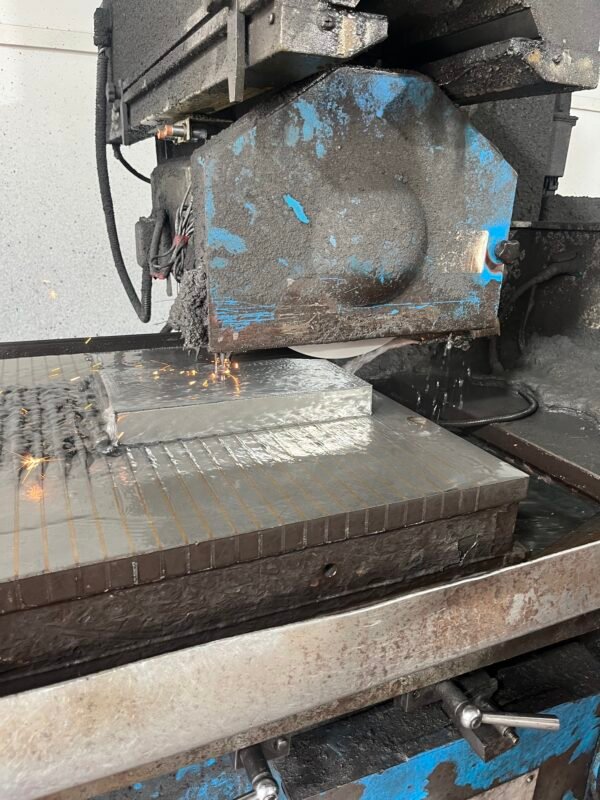
Why Choose SKD61 Mold Steel?
SKD61 is engineered to overcome the limitations of ordinary hot work steels. Its performance advantages mainly come from optimized Cr-Mo-V alloy design and strict control of internal steel quality.
1. Superior Thermal Fatigue Resistance
Hot work molds experience repeated heating and cooling cycles during production. This thermal shock creates continuous expansion and contraction stress, eventually forming surface cracks.
SKD61 uses a refined and uniform microstructure that delays thermal fatigue crack initiation and propagation. Compared with conventional H13, it provides longer crack resistance under continuous hot-cold cycling, making it suitable for high-volume die casting production.
2. Outstanding High-Temperature Toughness
For copper alloy die casting and heavy forging applications, mold steel must withstand both high temperature and strong mechanical impact.
SKD61 maintains excellent toughness at elevated temperatures, reducing risks including:
- Mold corner cracking
- Cavity edge collapse
- Core fracture
- Sudden impact failure
Its superior transverse toughness makes it especially suitable for molds with complex structures and concentrated stress areas.
3. Excellent High-Temperature Hardness Stability
Many conventional mold steels lose hardness when exposed to long-term high temperatures. SKD61 maintains stable mechanical properties during continuous operation.
After proper vacuum heat treatment, SKD61 normally achieves around 50-54 HRC hardness while maintaining good toughness and wear resistance.
This balance allows it to perform reliably in:
- Copper alloy die casting
- Aluminum die casting
- Hot forging
- Hot extrusion tooling
4. Low Heat Treatment Deformation
SKD61 features excellent dimensional stability after professional vacuum heat treatment.
Lower internal stress helps reduce:
- Machining deformation
- Wire cutting distortion
- Mold size deviation after production
This advantage is important for precision molds requiring long-term dimensional consistency.
SKD61 Chemical Composition
SKD61 belongs to the Cr-Mo-V hot work steel family. Its alloy design focuses on balancing hardness, toughness, thermal stability and wear resistance.
| Element | Content Range | Function |
|---|---|---|
| C (Carbon) | 0.38-0.42% | Provides stable hardness and wear resistance while maintaining toughness |
| Cr (Chromium) | 5.00-5.50% | Improves hardenability, oxidation resistance and thermal fatigue performance |
| Mo (Molybdenum) | 1.20-1.50% | Enhances high-temperature strength and reduces temper brittleness |
| V (Vanadium) | 0.90-1.10% | Refines grain structure and improves wear resistance |
| Si (Silicon) | 0.80-1.20% | Improves high-temperature stability |
| Mn (Manganese) | 0.20-0.50% | Enhances structural uniformity and machinability |
| P/S | Low impurity level | Reduces brittleness and improves toughness |
The optimized alloy balance allows SKD61 to maintain reliable performance under extreme thermal and mechanical stress.
SKD61 vs H13 vs 8407: Which Hot Work Steel Should You Choose?
Choosing the correct hot work steel depends on mold temperature, impact load, production volume and required service life.
| Performance | H13 | 8407 | SKD61 |
|---|---|---|---|
| Steel Level | Standard hot work steel | ESR refined upgrade | Premium VAR refined steel |
| Toughness | Good | Very good | Excellent |
| Thermal Fatigue Resistance | Good | Better | Outstanding |
| High Temperature Stability | Medium | High | Highest |
| Cost | Low | Medium | High |
| Best Application | General hot molds | Medium-heavy die casting | Extreme hot working |
Choose H13 when:
- Production requirements are moderate
- Mold load is not extreme
- Cost control is the priority
Choose 8407 when:
- H13 lifespan is insufficient
- Aluminum die casting requires better crack resistance
- Balanced cost and performance are needed
Choose SKD61 when:
- Copper alloy die casting is required
- Mold replacement costs are extremely high
- Continuous heavy-duty production is required
Main Applications of SKD61 Mold Steel
1. Copper Alloy Die Casting Molds
Copper alloys have higher melting temperatures and create much greater thermal stress than aluminum alloys.
SKD61 is widely used for:
- Copper pipe fitting molds
- Brass hardware die casting molds
- Electrical connector molds
- High-cycle copper alloy production molds
Its high-temperature toughness helps prevent early thermal cracking.
2. Heavy-Duty Aluminum Die Casting Molds
For large automotive and new energy vehicle components, molds often require millions of production cycles.
Typical applications include:
- Battery tray die casting molds
- Motor housing molds
- Large structural aluminum parts
- High-pressure die casting inserts
SKD61 improves mold reliability in long-running production environments.
3. Hot Forging and Hot Stamping Dies
SKD61 is suitable for molds exposed to repeated mechanical impact and elevated temperatures.
Applications include:
- Automotive structural part forging dies
- High-strength steel hot stamping molds
- Industrial component forming dies
4. Special High-Temperature Tooling
SKD61 is also used for:
- Hot extrusion tooling
- High-temperature inserts
- Engineering plastic molds requiring extreme heat resistance
SKD61 Heat Treatment and Processing Guide
Proper processing is essential to achieve SKD61’s full performance.
Vacuum Heat Treatment
Recommended process:
Quenching
- Heating temperature: 1020-1050℃
- Vacuum heating with high-pressure nitrogen cooling
Tempering
- Triple tempering process
- Tempering temperature: 550-600℃
- Final hardness: approximately 50-54 HRC
Multiple tempering cycles are important for removing internal stress and improving toughness.
Machining Recommendations
CNC Machining
Recommended practices:
- Complete rough machining before heat treatment
- Reserve finishing allowance for final machining
- Use carbide cutting tools
- Avoid excessive cutting heat
EDM Processing
After EDM:
- Remove the white layer completely
- Perform polishing or grinding
- Avoid leaving residual stress layers
Residual EDM layers may become crack initiation points during high-temperature operation.
Nitriding and Welding Repair
SKD61 supports surface hardening treatments such as nitriding.
Benefits include:
- Higher surface hardness
- Better wear resistance
- Improved demolding performance
For welding repair:
- Use matching SKD61 welding materials
- Preheat before welding
- Perform stress relief treatment afterward
Incorrect welding procedures may reduce mold toughness.
When Should You Select SKD61 Mold Steel?
SKD61 is not designed for every hot mold application. It provides the highest value when mold failure costs are higher than material costs.
Choose SKD61 if:
✔ Standard H13 cracks too quickly
✔ Mold production requires millions of cycles
✔ Copper alloy casting creates extreme thermal stress
✔ Mold downtime causes significant production loss
✔ Maximum service life is the priority
For ordinary aluminum die casting molds, 8407 or H13 may provide a better cost-performance balance.
Common Mistakes When Using SKD61
1. Choosing SKD61 for Low-Load Applications
SKD61 provides premium performance but also higher material cost. Using it for simple molds may create unnecessary expense.
2. Improper Heat Treatment
Incorrect quenching or insufficient tempering can reduce toughness and shorten mold life.
3. Ignoring Mold Design Stress
Even premium steel cannot completely prevent cracking caused by:
- Sharp corners
- Poor cooling design
- Excessive stress concentration
Proper mold structure is equally important.
4. Over-Optimizing Hardness
Higher hardness does not always mean longer life. Excessive hardness may reduce toughness and increase cracking risk.
FAQ About SKD61 Mold Steel
Is SKD61 better than H13 steel?
Yes, SKD61 provides higher toughness, better thermal fatigue resistance and improved stability for extreme hot working conditions. However, H13 remains a cost-effective choice for general applications.
Can SKD61 be used for copper die casting molds?
Yes. SKD61 is one of the preferred hot work steels for copper alloy die casting because of its high-temperature toughness and crack resistance.
What hardness is recommended for SKD61 mold steel?
Most SKD61 molds are heat treated to approximately 50-54 HRC, balancing wear resistance and toughness.
Is SKD61 suitable for plastic injection molds?
Only for high-temperature applications. Standard plastic molds usually require materials such as S136 or NAK80 instead.
Conclusion
SKD61 mold steel represents the premium level of hot work steel performance, combining high-temperature stability, excellent toughness and outstanding thermal fatigue resistance.
For extreme applications such as copper alloy die casting, heavy forging and long-life high-cycle molds, SKD61 provides a significant service-life advantage over conventional H13 steel.
KUTU supplies high-quality SKD61 hot work mold steel with material certificates, precision cutting services and professional heat treatment support. Contact us for customized SKD61 solutions for your high-performance mold projects.
SKD61 Hot Work Tool Steel | High Toughness Die Casting Mold Steel Blocks – KUTU
H13 (AISI H13 / DIN 1.2344) Hot Work Die Casting Mold Steel Plate High Temperature Resistant – KUTU
8407 (Premium H13 Grade) High Performance Hot Work Die Casting Mold Steel Plate – KUTU